Slow wound healing is when a wound heals significantly slower than is typical. While wounds go through several healing stages, they may take longer for many reasons.
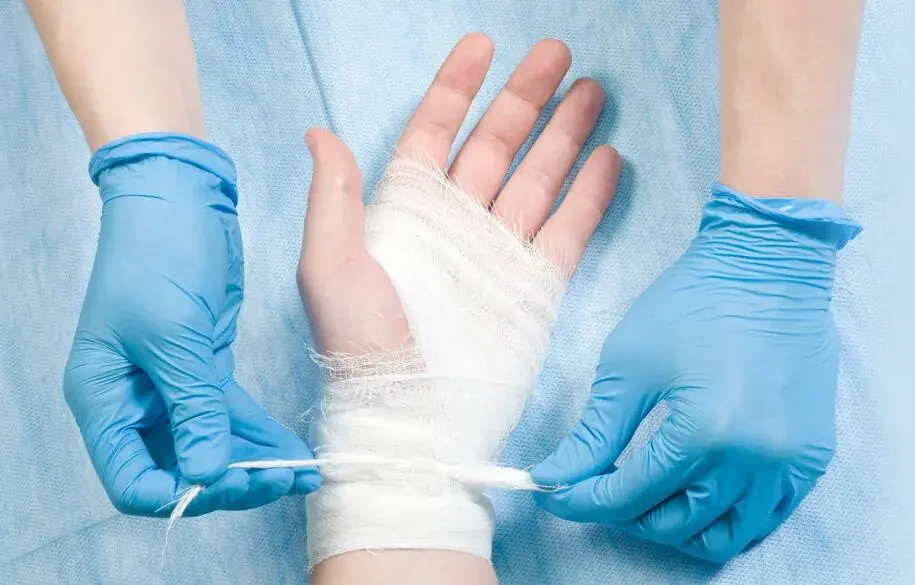
1. Infection
Infection slows the body's healing process because the body is too busy fighting the infection to heal the injury. Signs you have an infection include:
- Inflammation
- Redness or warmth to the touch
- Pus
- Swelling
- Yellow scabs
2. Poor Blood Circulation
Poor blood circulation may slow wound healing. For wounds to heal properly, they need an adequate blood supply to the injured area. Blood carries oxygen and nutrients required for a cut or injury to heal through the body's cardiovascular system.
3. Lack of Nutrients
The body needs specific nutrients to help repair the damaged skin of a wound. If you do not get enough of these in your diet or through supplementation, your body will not have the tools to heal adequately. The nutrients your body needs for healing include:
- Iron
- Protein
- Selenium
- Vitamin A
- Vitamin C
- Vitamin D
- Zinc
4. Chronic Health Conditions
Various chronic health conditions, including diabetes, a weakened immune system, or metabolic syndrome, can all contribute to slow wound healing. Other conditions that can drive slow wound healing include:
- Genetic disorders
- Inflammatory disorders
- Kidney failure
5. Cancer
When a person has cancer, their immune system’s ability to repair itself becomes weakened (immunocompromised), hindering their ability to heal wounds quickly.
6. Treatments for Cancer or Other Conditions
Some medications and therapies can slow the healing of wounds because they affect how the immune system responds to injuries. Treatments that can cause slow wound healing include:
- Chemotherapy
- Radiation
- Methotrexate
- Steroids
- Organ transplant drugs
- Blood thinners (anticoagulants) due to higher levels of bleeding
- Anti-inflammatory medications stop the inflammatory action of the immune system, slowing healing
7. Overconsuming Alcohol
Consuming alcohol in high amounts can negatively affect the way the skin repairs itself due to its ability to slow down skin cell production and the action of the immune system.
8. Smoking
The nicotine and toxins in cigarette smoke constrict blood vessels, reducing the amount of oxygen that reaches the wound. Since oxygen is vital for wound healing, healing will take longer without a sufficient supply.
9. Age
After an injury, an inflammatory response tells the body to begin healing. When that inflammatory process lasts too long, wounds heal more slowly. The inflammatory period after an injury may be longer in older adults, making wound healing slower.
10. Individual Sex Hormones
Those with higher levels of estrogen may experience faster wound healing than those with lower levels. This is because estrogen regulates wound healing.
11. Stress Levels
Stress can affect many aspects of overall health, including wound healing. Psychological stress may impair the action of the immune system, causing the injury to take longer to repair.
12. Improper Wound Care
Not caring for a wound properly can hinder the healing process by:
- Increasing the risk of infection
- Delaying the repair of tissue
- Causing more damage, making it harder for the wound to heal

