Apples are a great source of fiber (one medium-sized apple has 4.8 grams of fiber), which helps with digestion, weight management, and overall health. But some fruits pack even more fiber to help you hit your daily goals.
1. Passion Fruit

Fiber: 24.5 grams (g)
Serving size: 1 cup
Besides fiber, passion fruit has vitamins A and C, which boost eye, skin, and immune health. A serving of this tart tropical fruit is close to the daily recommended fiber amount for most healthy adults—between 25 g and 30 g per day.
You can eat passion fruit fresh, throw it into drinks and smoothies, or turn it into ice pops or other frozen treats.
2. Guava

Fiber: 8.9 g
Serving size: 1 cup
Guava, another tropical fruit, has double the fiber of an apple and more vitamin C than an orange.
You can eat guavas whole with the rind on, sliced up, or scooped out like avocados. They also work well in fruit salads, smoothies, or jams.
3. Raspberries

Fiber: 8 g
Serving size: 1 cup
Raspberries have the highest fiber content among berries. This amount covers around one-third of your daily recommended fiber intake.
Raspberries are loaded with antioxidants and other vitamins and minerals. Eat them fresh or add them to your favorite recipes.
4. Blackberries
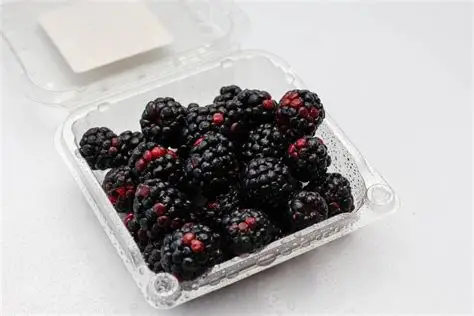
Fiber: 7.6 g
Serving size: 1 cup
Blackberries are considered a superfood because they’re high in antioxidants, vitamins, minerals, and fiber.
Enjoy blackberries fresh as a snack or topping, but since they spoil quickly, you might want to freeze them—this also makes them easy to toss into a smoothie.
5. Wild Blueberries
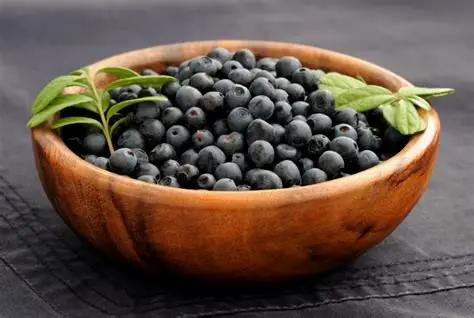
Fiber: 6.2 g
Serving size: 1 cup
Wild blueberries (lowbush blueberries) have more antioxidants and fiber than the cultivated kinds you usually find in grocery stores. They’re also rich in vitamins C and K, plus antioxidants like flavonoids.
6. Pears

Fiber: 5.5 g
Serving size: 1 medium-sized pear
Pears have more fiber than apples and are packed with antioxidants like vitamin C.
Experts recommend avoiding canned pears if you can. They’re often packed in juice or syrup with added sugars and carbs.
7. Kiwifruit
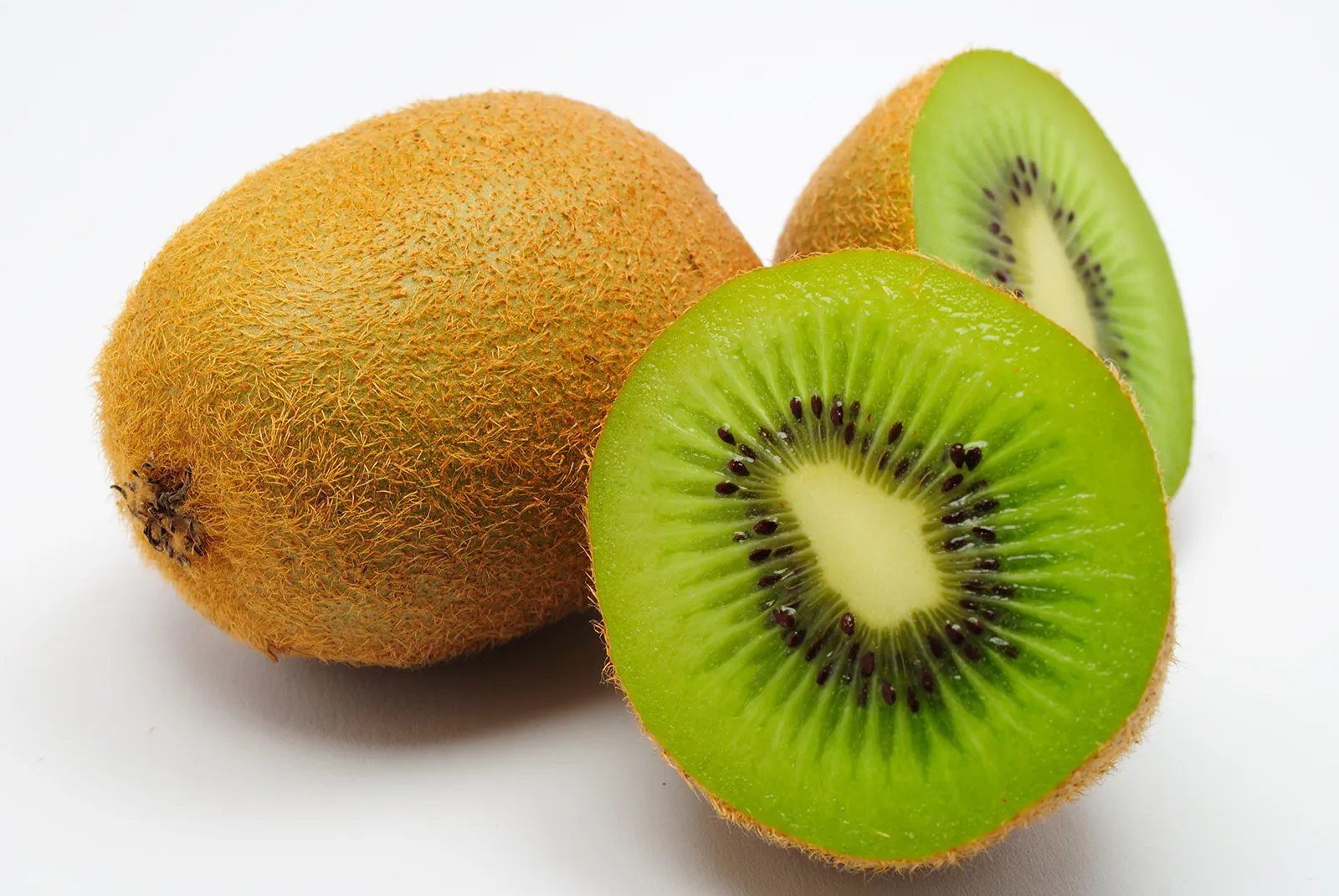
Fiber: 5.4 g
Serving size: 1 cup
Along with fiber, kiwifruit has other minerals and antioxidants like vitamin C. That’s a bit more than the average apple, and two small kiwis have twice as much fiber as an orange.
Most people eat kiwis by scooping out the flesh, but experts note that eating the skin can bump up your fiber intake by 50%.
8. Grapefruit
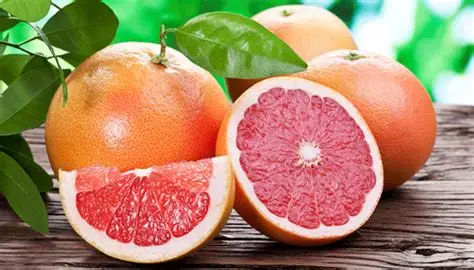
Fiber: 5 g
Serving size: 1 grapefruit
One grapefruit has fiber, essential minerals, and vitamins A and C. What’s more, it has almost no fat and is super hydrating—over 91% water—to help keep you quenched.
Grapefruit can interact with many medications, like statins, blood pressure drugs, antihistamines, blood thinners, and more. If you take prescription meds, check with your healthcare provider before adding grapefruit to your grocery list.
9. Avocado
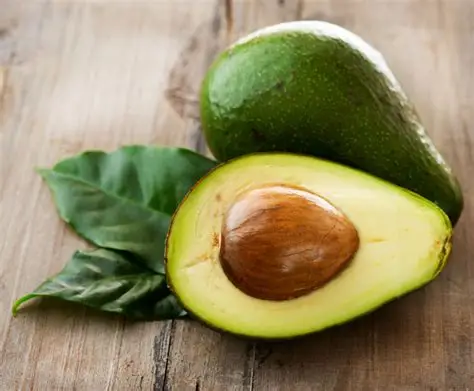
Fiber: 5 g
Serving size: 1/2 cup
Even though it’s not usually thought of as a fruit, avocado is another fiber-rich option. It’s also low in carbs and packed with vitamin E and heart-healthy fats.
Toss avocado with leafy greens in a salad or mix it into tomato-based salsa for tacos—this can help boost fiber absorption and other nutrients.
Other High-Fiber Foods
Lots of other nutritious foods have more fiber than an apple too. Try adding more veggies and whole grains to your diet, like:
- Unsweetened bran cereal: A half cup has 14 g of fiber
- Cooked lima beans: 1 cup has 13.2 g of fiber
- Cooked green peas: 1 cup has 8.8 g of fiber
- Canned pumpkin: 1 cup has 7.1 g of fiber
- Cooked Brussels sprouts: 1 cup has 6.4 g of fiber
- Cooked sweet potato: 1 cup has 6.3 g of fiber
- Popcorn: 3 cups have 5.8 g of fiber
- Cooked winter squash: 1 cup has 5.7 g of fiber
- Cooked broccoli: 1 cup has 5.2 g of fiber
- Cooked soybeans: A half cup has 5.2 g of fiber
Benefits of Eating More Fiber
Eating more fiber comes with tons of health perks, including:
- Helping with digestive health (works for both constipation and diarrhea)
- Helping manage diabetes by regulating and keeping blood sugar levels steady
- Assisting with weight management by keeping you full longer
- Protecting heart health by potentially lowering cholesterol levels
Adding High-Fiber Foods to Your Diet
You probably won’t need a fiber supplement if you eat a nutritious diet, but some people might benefit from one. Before adding any new supplement, check with your healthcare provider—especially if you have a digestive disorder or other underlying health condition.
Slowly increase the fiber in your diet and drink plenty of fluids. Eating too much fiber too fast can cause uncomfortable digestive issues, like:
- Bloating
- Diarrhea
- Gas
- Stomach cramping

