Zinc is an essential mineral that supports immune function, growth, wound healing, DNA production, and more. It's advised to consume 8 milligrams (mg) for females and 11 mg for males daily, which you can get from foods naturally high in zinc or those that are zinc-fortified.
1. Oysters
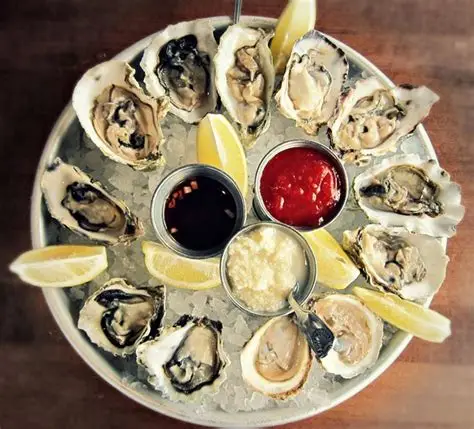
Zinc: 32 mg to 74 mg per 3-ounce serving
If you enjoy seafood, you're in luck. Many seafood products contain a significant amount of zinc, and oysters are the richest in this mineral.
These powerhouses can range from 32 mg to more than 74 mg of zinc per 3-ounce serving, depending on the preparation method. For example, breaded and fried oysters contain 74 mg, while raw oysters have about 32 mg.
This means a small serving of oysters can provide three to seven times the recommended daily value (DV) of zinc.
2. Shellfish
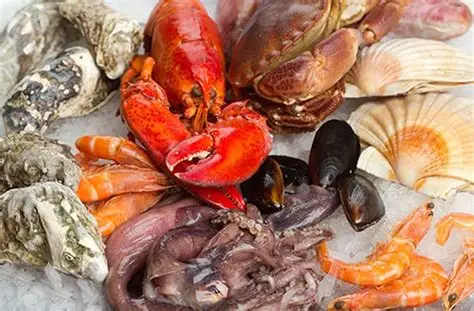
Zinc: 1.4 mg to 6 mg, depending on the type, per 3-ounce serving
Examples of shellfish include:
- Lobster: 3 ounces contains 6 mg of zinc (55% of the DV based on 11 mg; individual needs may vary)
- Crab: 3 ounces contains 3.2 mg of zinc (29% of the DV)
- Shrimp: 3 ounces contain 1.4 mg of zinc (13% of the DV)
Research has found that seafood, including shellfish, may support brain, eye, and heart health. The Dietary Guidelines for Americans, 2020–2025, recommend that everyone 2 years and older eat at least two servings of cooked seafood per week, while noting that you should follow federal and local fish and seafood advisories about mercury levels and other potential contaminants.
3. Salmon
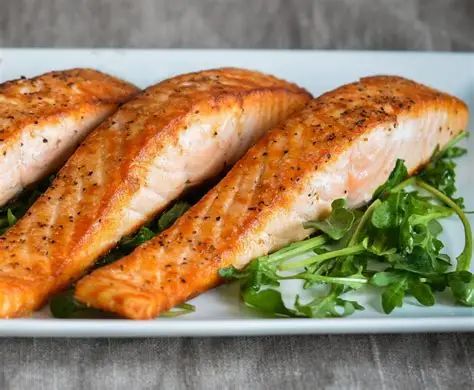
Zinc: 0.5 mg per 3-ounce serving
Though it doesn't provide as much zinc as other types of seafood, cooked salmon offers a small amount, and 3 ounces provide 5% of the DV. You also get other valuable nutrients like omega-3 fatty acids and vitamin B12.
4. Red Meat
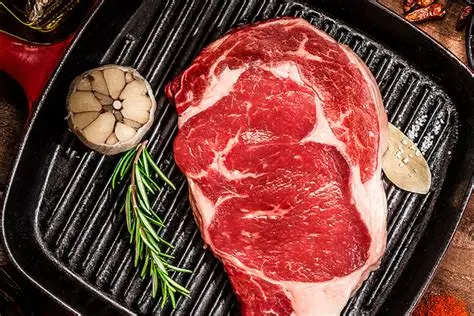
Zinc: 4 mg to 10 mg, depending on the meat and preparation, per serving
Examples of red meat include:
- Beef: Depending on the cut and how it is prepared, beef can range from 4 mg of zinc for 3 ounces of roasted bottom sirloin (35% of your DV) to about 10 mg (91% of your DV) for 3 ounces of lean, braised, boneless short ribs.
- Pork: One cup (diced) of roasted lean pork shoulder has 5 mg of zinc, which is more than 45% of your DV.
- Lamb: Three ounces of lean, braised lamb has almost 7 mg of zinc—almost 64% of your DV.
Meat joins seafood as one of the top food sources of zinc. If you like red meat, you'll be glad to know it provides a significant amount of zinc. The Dietary Guidelines for Americans recommend choosing lean and non-processed meats when possible for overall health.
5. Poultry

Zinc: 1.5 to 5.5 mg, depending on the meat and preparation, per serving
For example, 3 ounces of roasted turkey breast pack is 1.5 mg of zinc, or 14% of the DV, while one cup of any cooked, roasted turkey with skin on may contain up to 5.5 mg, which is 50% of your DV.
One cup of dark meat chicken has about 4 mg of zinc, or 36% of the DV. A 3-ounce roasted chicken leg (with skin on) has almost 2 mg, or 18% of the DV.
Poultry foods also vary in zinc content by type and preparation. For overall health, the Dietary Guidelines for Americans recommend choosing lean, unprocessed poultry when possible.
6. Legumes
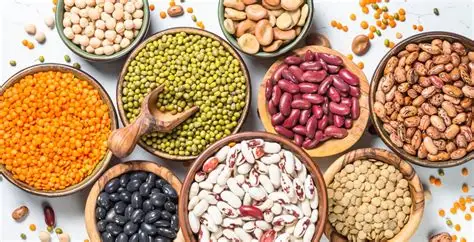
Zinc: 1.3 mg to 3.7 mg, depending on the type, per serving
Examples of legumes include:
- Lentils: One-half cup of boiled lentils contains 1.3 mg of zinc, or 12% of the DV.
- Baked beans: One cup of baked beans has 3.7 mg of zinc (34% of DV).
- Lima beans: A cup of cooked lima beans has 1.34 mg of zinc, or 12% of your DV.
Legumes provide healthy fiber and protein but also contain some zinc. These versatile foods are considered both a vegetable and a protein source. They are commonly recommended as part of a balanced diet.
7. Nuts
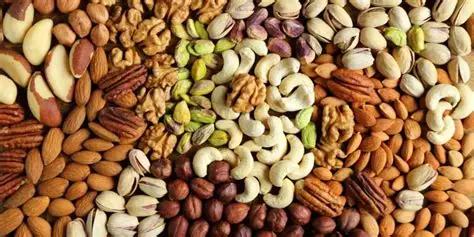
Zinc: 0.7 mg to 2.3 mg, depending on the type, per serving
Examples of nuts include:
- Peanuts: A 1-ounce serving has 0.7 mg of zinc, or 7% of your DV.
- Trail mix with chocolate chips and unsalted nuts and seeds: A one-half cup serving has 2.3 mg, or 21% of the DV.
- Unsalted roasted almonds: A half cup has the same amount of zinc as trail mix.
Nuts are considered part of a healthy diet and also contain protein and beneficial fats.
8. Seeds
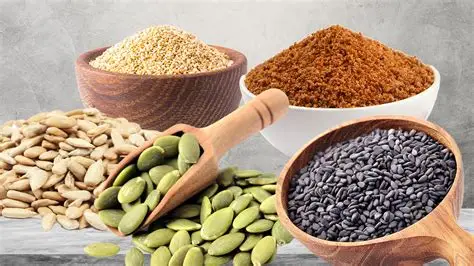
Zinc: 1.7 to 2.8 mg, depending on the type, per serving
Examples of seeds include:
- Pumpkin seeds: An ounce contains about 2.2 mg of zinc, or 20% of the DV.
- Sunflower seeds: A one-quarter serving contains about 1.7 mg of zinc, or 16% of the DV.
- Sesame seeds: An ounce has about 2.8 mg, or 25% of the DV.
In the Dietary Guidelines for Americans, several of the recommended United States Department of Agriculture (USDA) Food Patterns include seeds, along with fruits, vegetables, legumes, whole grains, nuts, protein, and healthy fats.
9. Eggs
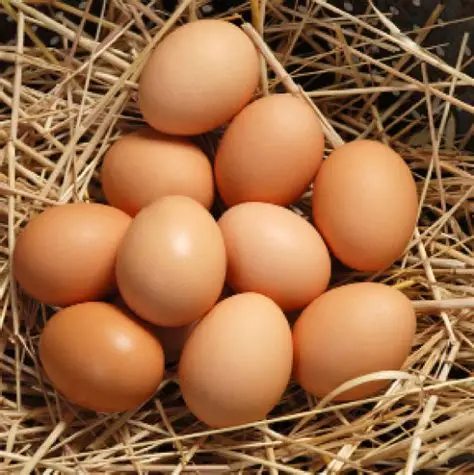
Zinc: 0.5 mg per one large cooked, hard-boiled egg
Eggs can be a good source of zinc, with one large egg providing about 5% to 6% of the DV. Most of the zinc is found in the egg yolk.
10. Tofu
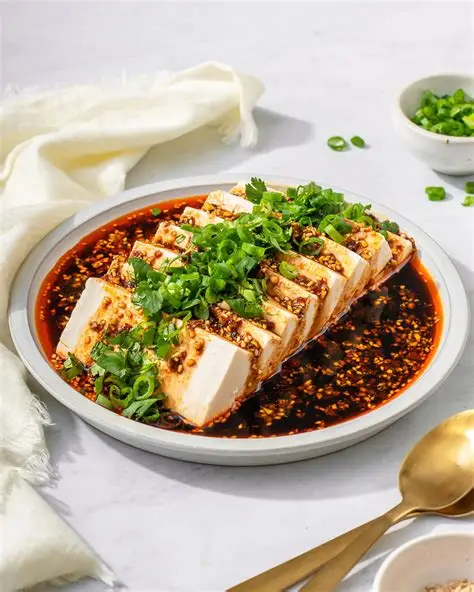
Zinc: About 4 mg per cup
Tofu is a versatile, plant-based protein that is also a zinc powerhouse. It can provide up to 36% of your DV.
11. Dairy Products

Zinc: varies by product
Examples include:
- Cheddar cheese: A 1.5-ounce serving packs 1.5 mg of zinc, or 14% of the DV.
- Swiss cheese: A half cup has 3 mg of zinc, or 28% of the DV.
- Plain Greek yogurt: A 6-ounce serving contains about 1 mg of zinc, or 9% of your DV.
- 1% milk: One cup contains 1 mg of zinc, or 9% of your DV.
- Almond milk: One cup has 1.5 mg of zinc, or almost 14% of your DV.
Dairy products are excellent sources of zinc. The Dietary Guidelines for Americans recommend fat-free or low-fat milk, yogurts, and cheeses, and/or lactose-free versions of these products.
12. Fortified Cereals and Whole Grains
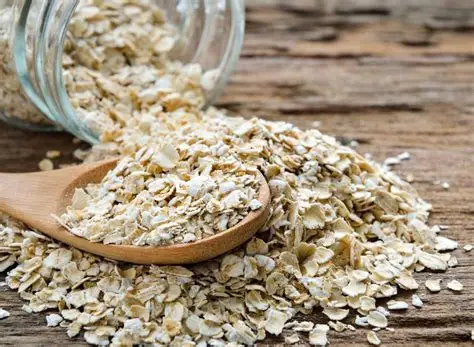
Zinc: 1.4 mg to 3.75 mg depending on the type
Examples of fortified foods and whole grains include:
- Fortified cereals: One serving of a typical zinc-fortified breakfast cereal contains about 2.8 mg of zinc, or 25% of the DV. Some cereals contain more zinc than others. For example, Honey Bunches of Oats has 3.75 mg of zinc in a 1-cup serving, which is 34% of the DV. Others, like Cocoa Pebbles or Honeycomb, weigh in with less zinc: 1.5 mg per serving, which is still 14% of the DV.
- Oats: One cup contains 2.3 mg of zinc, or 21% of your DV.
- Cooked brown rice: One cup contains 1.4 mg of zinc, or 12% of the DV.
Many breakfast cereals are fortified with zinc. In fact, cereals are a primary source of zinc in United States (U.S.) diets. Children and teens get up to 18.4% of their zinc intake from enriched or fortified foods. Whole grains can also be a good source of zinc.
Combining Foods
Try combining zinc-containing foods to boost your zinc intake. Here are some examples:
- Pour unsweetened almond milk over a zinc-fortified cereal (choose a cereal that contains a higher amount of zinc)
- Add Greek yogurt to your oats (many overnight oat recipes combine oats with Greek yogurt or various types of milks, along with other add-ins, like nuts and seeds)
- Add a serving of beans or lentils on top of your salad or into your soup.
- Create an at-home burrito bowl with brown rice, grilled or baked chicken, cheese, beans, and other vegetables.

