Almost half of U.S. adults have high blood pressure, the number one preventable risk factor for heart disease, stroke, heart attack, heart failure, kidney disease, and even dementia.
For the first time since 2017, the American Heart Association (AHA) and the American College of Cardiology recently revised their guidelines to help people with high blood pressure manage their condition.
“The 2025 updates represent a new accumulation of evidence that gives people better opportunities for longer and healthier lives,” said Daniel W. Jones, MD, dean and professor emeritus of the University of Mississippi Medical Center School of Medicine and chair of the guideline writing committee.
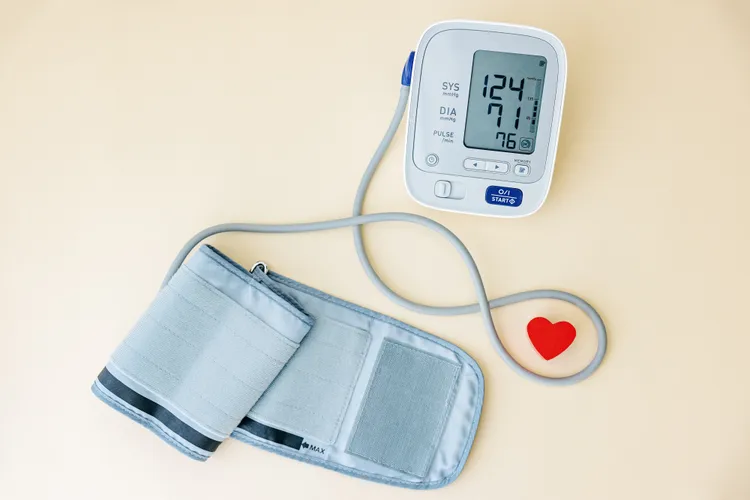
Blood Pressure Levels Stay the Same in New Guidelines
The levels for normal, elevated, and high blood pressure—measured by using a blood pressure cuff device—remain unchanged:
- Normal blood pressure is less than 120/80 mm Hg
- Elevated blood pressure is 120-129/80 mm Hg
- High blood pressure is 130/80 mm Hg or higher
For people with high blood pressure, here are six main takeaways from the new guidelines:
1. Start Medications as Soon as Possible
The new guidelines urge doctors to start prescribing meds for patients with high blood pressure earlier, especially if three to six months of lifestyle changes don’t bring down their numbers.
A key reason for quick action, Jones said, is that new research has confirmed that high blood pressure is also a factor in cognitive decline.
But even if you start taking blood pressure medications, your doctor will still encourage healthy habits like regular exercise and a balanced diet, said Scott Jerome, MD, director of Ambulatory Services and Outreach for Cardiovascular Medicine at the University of Maryland School of Medicine.
2. Cut Back on Salt Even More
Like the old guidelines, the update still recommends keeping sodium under 2,300 mg per day (about one teaspoon of salt) and aiming for no more than 1,500 mg per day.
The AHA advises checking food labels because U.S. adults get most of their sodium from packaged and restaurant foods. Many restaurant chains also list sodium content online, and at dine-in restaurants, you can ask if they can limit salt or serve sauces on the side.
When cooking at home, try salt substitutes with potassium and add more potassium-rich foods like bananas, spinach, mushrooms, and honeydew melon.
3. Quit or Cut Back on Alcohol
The new guidelines still say it’s best to avoid alcohol. For those who do drink, the advice is to have no more than two drinks per day for men and no more than one drink per day for women.
A 2023 review of seven studies in Hypertension found that every additional alcoholic beverage may increase blood pressure over the years, even in people without high blood pressure.
4. Keep Stress in Check
Stress is linked to heart disease. The guidelines still suggest getting regular exercise and using stress-reduction techniques such as yoga, deep breathing, and meditation.
Like the 2017 guidelines, the update still recommends 75–150 minutes of weekly exercise, including aerobic activities like brisk walking and strength training with bands or weights.
5. Lose at Least 5% of Your Body Weight
The new guidelines recommend losing at least 5% of body weight in adults who are overweight or obese. Check with your doctor about diet changes, injectable weight loss drugs such as Wegovy or Zepbound, or weight loss surgery.
6. Stick with the DASH Diet
The 2025 guidelines still recommend eating a healthy diet, especially the DASH diet, which focuses on less salt and more produce, whole grains, legumes, nuts, seeds, low—or no-fat dairy, poultry, and fish.
Know Your Blood Pressure Numbers
Knowing your blood pressure numbers is key to benefiting from these updated guidelines, but too many people don’t know theirs, said Allen Taylor, MD, chairman of Cardiology at MedStar Heart and Vascular Institute in Washington, DC.
Taylor suggests keeping a blood pressure monitor at home, sharing your numbers at your doctor visits, and reporting any changes to see if additional adjustments—both lifestyle and medicine—are needed.

