Most Americans load up on too much added sugar. If you’re looking to cut back on sugar, or have a medical condition that requires keeping an eye on your blood sugar levels, you might wonder if scaling back your fruit intake will help.
Fruit and foods with added and refined sugars—think soda, candy, and cookies—are packed with simple carbs. But here’s the thing: fruit has all those important nutrients and fiber, making it a solid healthy choice.
Fiber Slows Absorption of Sugar From Fruit
Fruit has a type of sugar called fructose, plus loads of water, antioxidants, vitamins, minerals, and fiber that do your body good, Emma M. Laing, PhD, RDN, FAND, a clinical professor and director of dietetics at the University of Georgia, told Verywell in an email.
“Dietary fiber helps keep blood sugar levels steady by slowing down how fast glucose hits your bloodstream after digestion. High-fiber foods take longer to digest and absorb, so they keep your blood sugar from spiking after you chow down on a high-carb meal,” Laing said.
Food is just one piece of the puzzle when it comes to blood sugar levels for people with diabetes. Physical activity, medications, stress, dehydration, and your period also play a part.
Fruit is a key part of a healthy diet, but if you’re hunting for lower-sugar picks, here are eight options to check out.
1. Blackberries
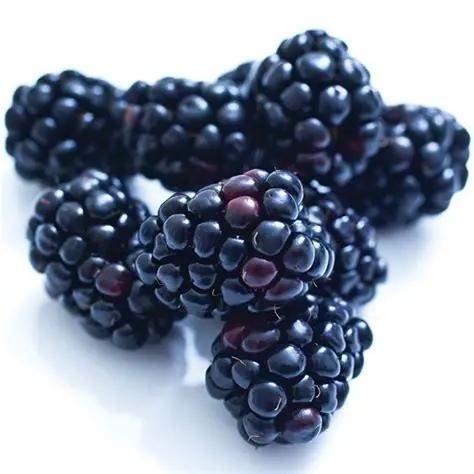
One cup of blackberries has:
- 7 g of sugar
- 8 g of fiber
- 14.4 g of carbs
Fresh blackberries are loaded with antioxidant and anti-inflammatory perks, fiber, and tons of vitamin C. One cup has more vitamin C than a tiny tangerine or lime.
Blackberries make a great snack, dessert, or salad topper. Grab the plump ones with no mold, and you can stash fresh blackberries in the fridge for a few days.
2. Kiwi
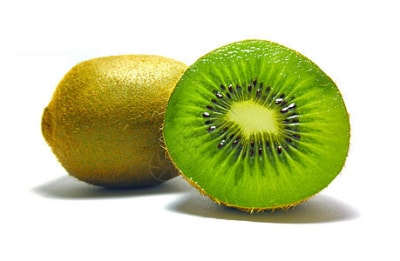
One medium, peeled kiwi has:
- 6.7 g of sugar
- 2.3 g of fiber
- 11 g of carbs
Kiwis are green or yellow fruits with fuzzy, brown skin. You can eat the skin if you want, but most folks prefer peeling it off.
Kiwis are packed with vitamin C, and research shows eating two SunGold kiwis a day means you don’t even need a vitamin C supplement. One medium green kiwi has about 7 g of sugar.
3. Apricot
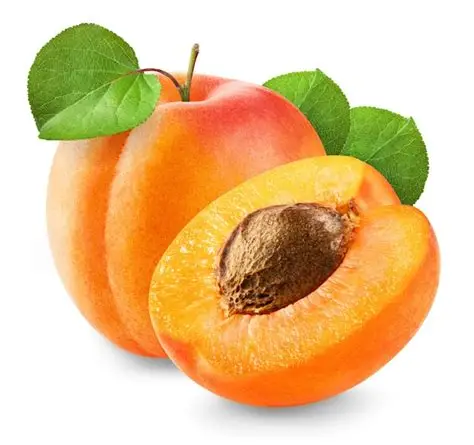
One apricot has:
- 3 g of sugar
- 1 g of fiber
- 4 g of carbs
Apricots are small, yellow-orange stone fruits with potassium and vitamins A and C.
Dried apricots pop up in lots of Middle Eastern recipes, but you’ll want to enjoy them in moderation—they’re high in sugar. One fresh apricot only has 3 g of sugar, but a serving of about four big dried apricots can clock in at 21 g of sugar.
4. Pineapple
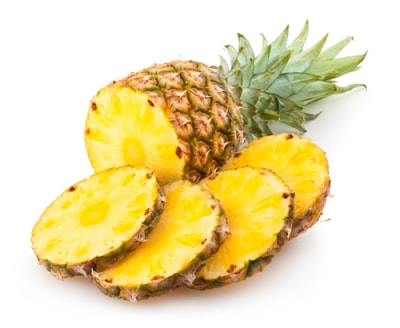
Half a cup of pineapple has:
- 9 g of sugar
- 1 g of fiber
- 11 g of carbs
Pineapples are yellow tropical fruits with spiky green-brown skin and a leafy crown on top. They have manganese, immune-boosting vitamin C, and the anti-inflammatory enzyme bromelain.
Half a cup of fresh pineapple has 9 grams of sugar, but half a cup of canned pineapple chunks in heavy syrup can have up to 25 grams of sugar—so go easy on the canned stuff.
5. Watermelon
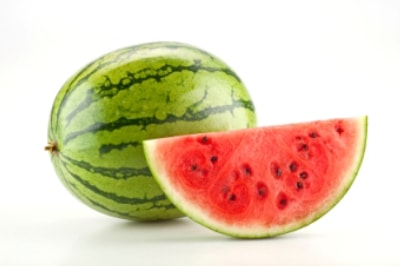
One cup of watermelon has:
- 9.6 g of sugar
- 1 g of fiber
- 12 g of carbs
Watermelon is that pink, super hydrating fruit that’s over 90% water. It has vitamin A, C, and the antioxidant lycopene.
For an easy snack, slice a whole watermelon at once—cut watermelon stays fresh in the fridge for five days.
6. Cherries
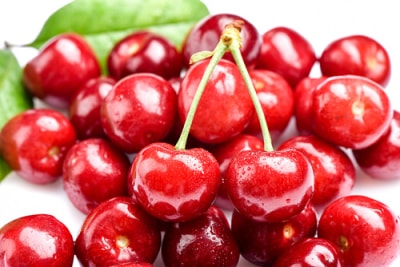
Half a cup of pitted cherries has:
- 10 g of sugar
- 1.5 g of fiber
- 12.5 g of carbs
Cherries are small stone fruits—just like apricots, plums, and peaches—and they’re high in vitamin C and potassium. Whip up a fruit salsa with them, or just munch a handful as a snack.
7. Grapefruit
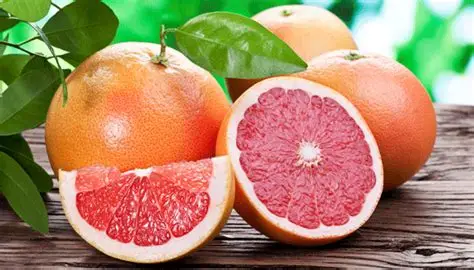
Half a medium grapefruit has:
- 10 g of sugar
- 2 g of fiber
- 16 g of carbs
Half a grapefruit gives you fiber, potassium, folate, and 10 g of sugar. Wrap the other half tight and store it in the fridge for up to four days.
Grapefruit juice has way less fiber, so the sugars get absorbed faster than when you eat a whole grapefruit.
Heads up: grapefruit and grapefruit juice can mix badly with certain medications, so chat with your go-to healthcare provider if you’re unsure about adding this to your diet.
8. Papaya
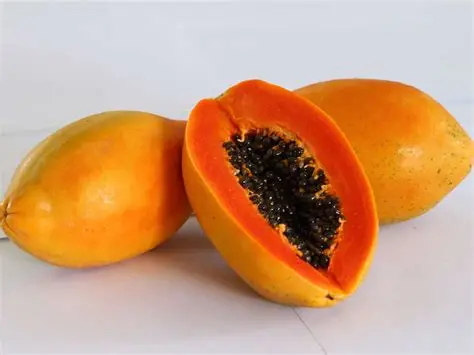
One cup of papaya has:
- 13 g of sugar
- 2.8 g of fiber
- 18 g of carbs
Papaya is a tropical orange fruit full of round, black seeds. It has antioxidants, potassium, folate, and vitamins A, C, and E.
Scoop out the bright flesh with a spoon, or toss cubed papaya into salads or smoothies. A quick note: if you have a latex allergy, you might react to papaya too—it has some proteins that are similar to latex.
Fruit Belongs in a Balanced Diet
People with diabetes can totally enjoy whole fruit as part of their diet, but folks who need to watch their blood sugar levels might want to think about when and how they eat fruit.
“Your blood sugar will react way better when you pair fruit with fiber, protein, and fats. But if you get most of your fruit from juice, smoothies, and desserts, those are usually higher in added sugars and lower in fiber—which can make your blood sugar spike,” Laing said.
Eating a ton of fructose all at once can mess with your blood sugar, so it’s best to spread out your fruit servings throughout the day, she added.

