Probiotics are the good bacteria that boost gut health, and prebiotics are the fuel that helps those bacteria thrive. Postbiotics is a catch-all term for the compounds leftover after probiotics feed on and break down prebiotics.
What Are the Benefits of Postbiotics?
Studies have found that these probiotic "leftovers"—such as short-chain fatty acids, enzymes, peptides, and other nonliving compounds—come with some solid health perks. They could help reduce inflammation, keep your digestive tract lining in tip-top shape, and even help out with the gut-brain axis.
Your body naturally makes some postbiotics through normal gut bacteria activity. A lot of foods already known for their prebiotic and probiotic benefits also contain postbiotics, which is just one more reason to work them into your diet.
1. Sourdough Bread
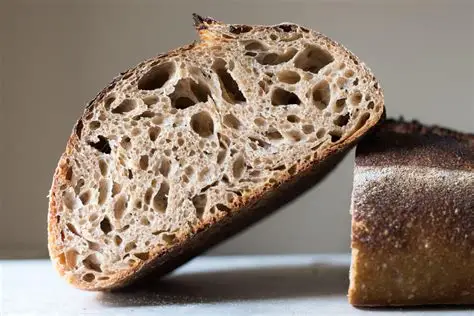
Making sourdough with lactobacillus bacteria relies on fermentation, which creates perfect conditions for cranking out postbiotics. Baking kills the live bacteria, but their byproducts (like metabolites) stick around in the finished loaf.
The fiber in sourdough is an added bonus—it supports digestive health, which matters because the colon is where most gut bacteria activity happens. If you don’t wanna bake your own bread, grabbing freshly baked sourdough from a local bakery or grocery store can still give your meals a postbiotic boost.
2. Fermented Vegetables
Fermentation isn’t the same as pickling in vinegar. When veggies like cabbage or cucumbers are fermented, they’re soaked in brine and left to break down their natural carbs and sugars into organic acids, gas, and even tiny amounts of alcohol.
This process is what makes fermented foods like sauerkraut and kimchi so packed with good bacteria and their byproducts. Fermented foods also contain lactic acid, which is key to the fermentation process and is often added by manufacturers to encourage postbiotic production.
3. Yogurt, Kefir, Buttermilk
Yogurt with live cultures, cottage cheese, and kefir deliver good bacteria and their byproducts, making them simple ways to kick off your day with a postbiotic boost.
Fermented dairy products also provide calcium, vitamin D, and other key nutrients—especially when they’re fortified. Buttermilk is another underrated source of postbiotics. Producers add bacterial strains that ferment lactose (milk’s main sugar), which creates lactic acid and postbiotic compounds.
4. Aged Cheese
Certain cheeses also deliver good bacterial byproducts. Aged varieties like Gouda, cheddar, and Parmesan contain lactic acid bacteria that leave behind postbiotics.
Food safety researchers have even studied these postbiotics for their possible antimicrobial perks, which may help make a cheese last longer.
5. Fermented Soy
Fermented soy products are staples in many cuisines because they’re tasty and nutrient-packed. Miso, tempeh, and nattō are often praised for their probiotic benefits, but they also contain postbiotics.
These foods are super versatile: miso is perfect in soups, tempeh can stand in for meat or be crumbled over salads, and nattō is a bold, protein-packed breakfast pick.
6. Kombucha
Along with probiotics, kombucha also brings the postbiotic goods from the fermentation process. This drink not only gives you gut health perks but also antioxidants from the tea it’s made with.

